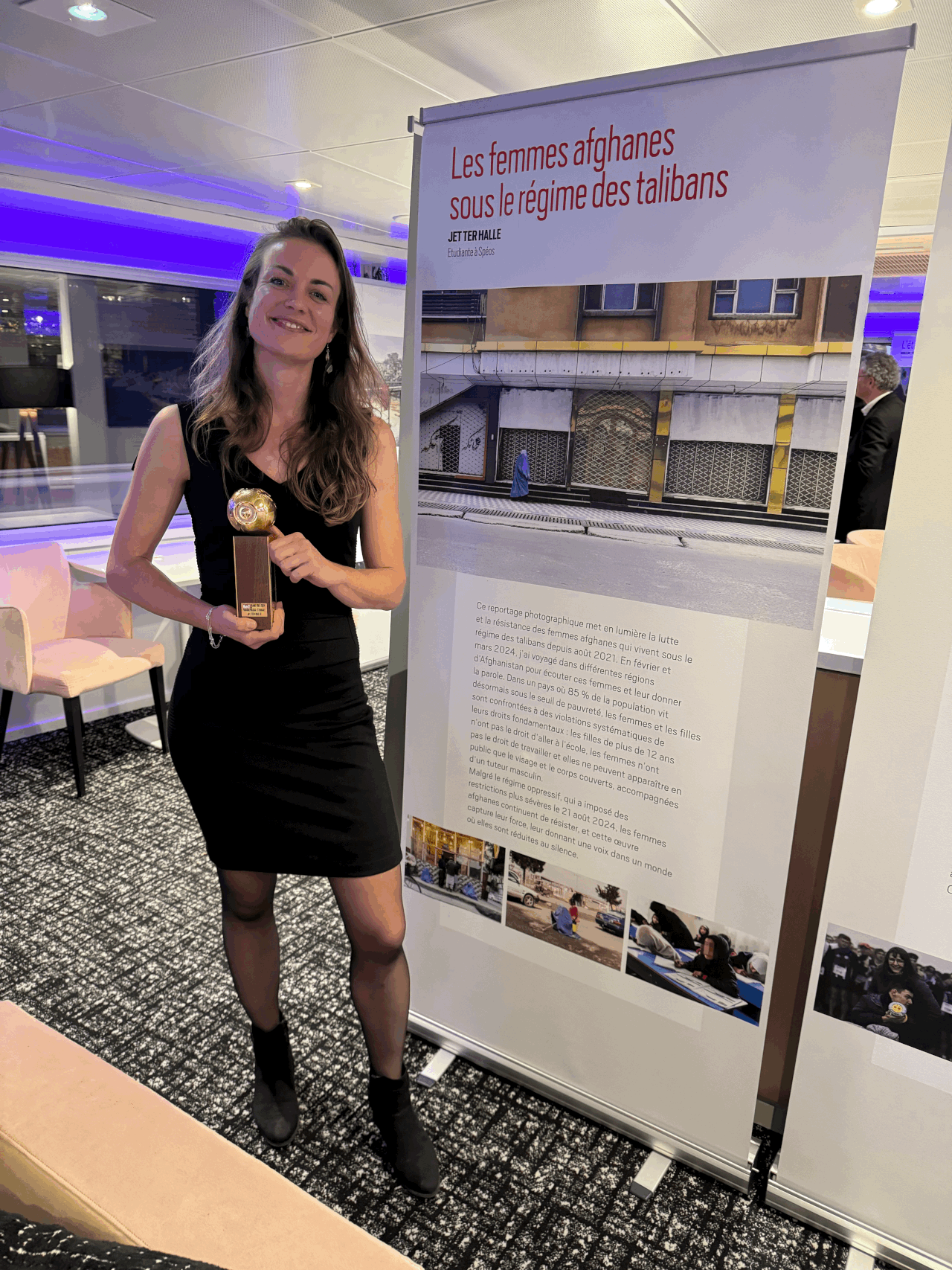
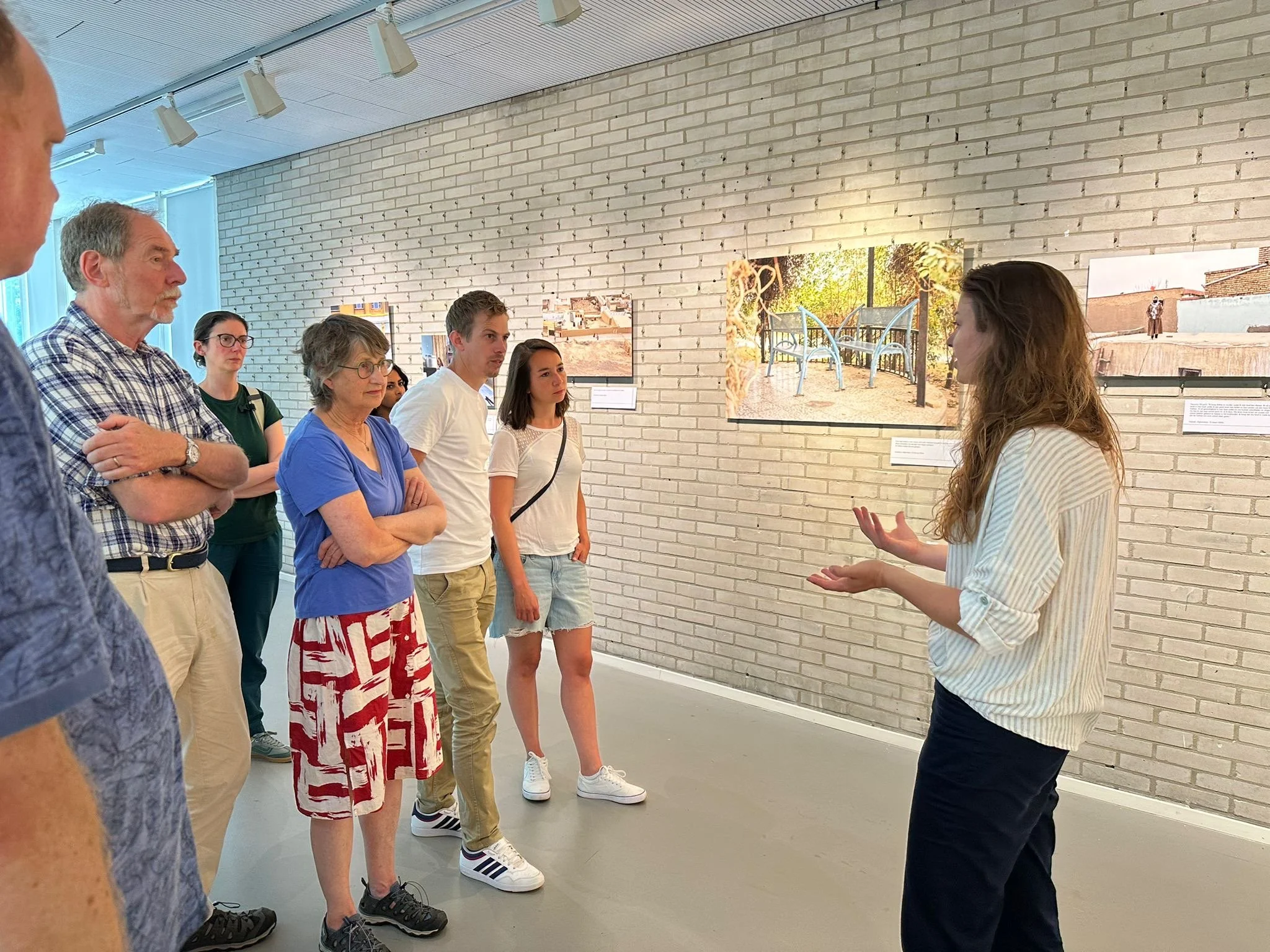
The fight and resilience after the fall: Afghan women living under the Taliban
This documentary highlights the struggles and resilience of Afghan women living under the Taliban regime since August 2021. In February and March 2024, I travelled to different regions of Afghanistan to listen to these women and give them a voice. In a country where more 90 per cent of the population now lives below the poverty line, women and girls face systematic violations of their fundamental rights: girls over 12 are not allowed to go to school, women are not allowed to work, and they are only allowed to appear in public with their faces and bodies covered, accompanied by a male guardian. Despite the oppressive regime imposing increasingly severe restrictions, Afghan women continue to resist and this work captures their strength and gives them a voice in a world where they are silenced. The Taliban announced on 30 December 2024 that women should no longer be visible through windows of buildings as this could lead to obscene acts. Speaking out and having yourself portrayed in a country where fear and oppression reign are acts of courage and hope. These girls and women are heroes.
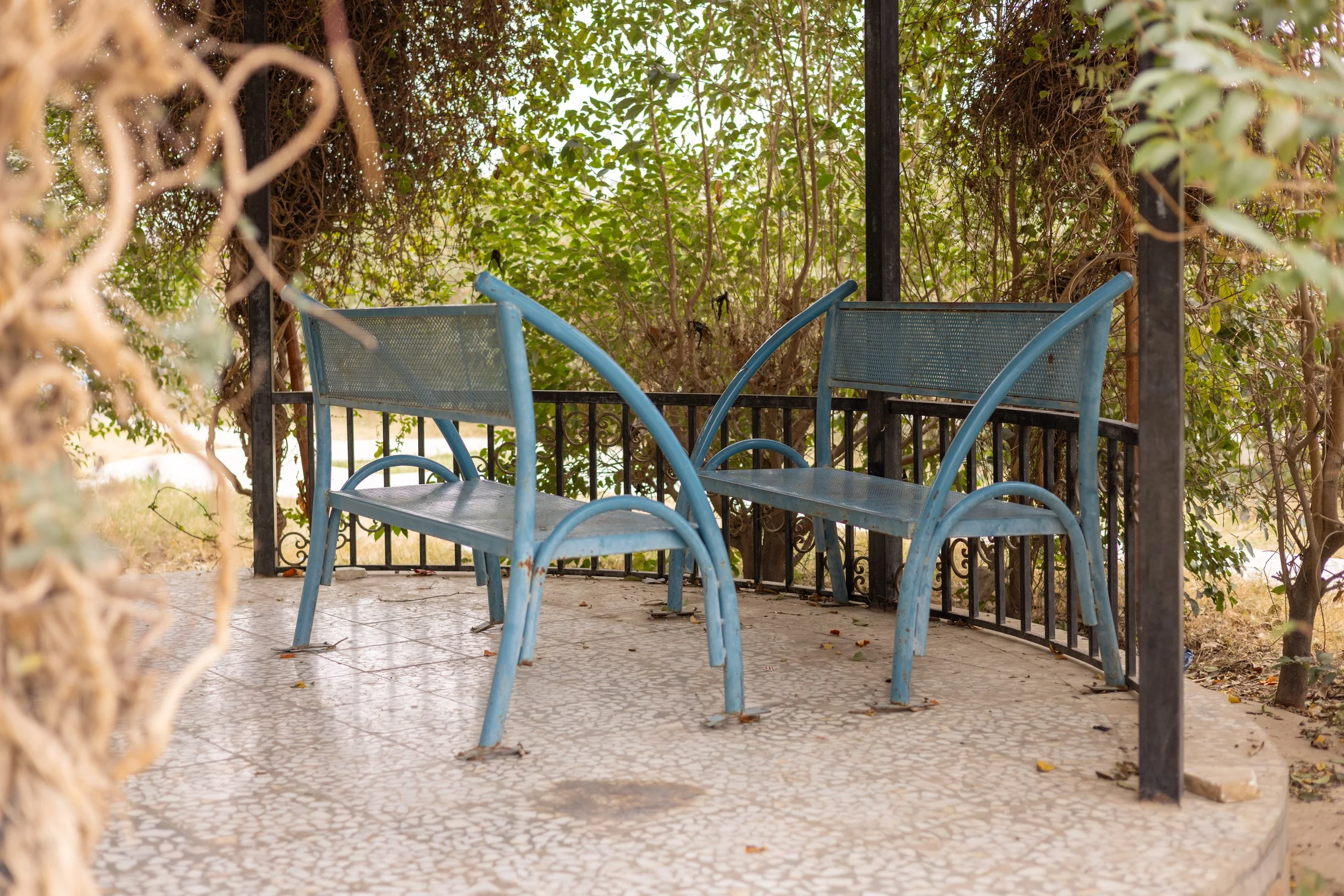
Two empty benches in a ‘women only’ park. Previously a place where women met. Now a place where emptiness dominates. Kandahar, Afghanistan, February 25 2024.
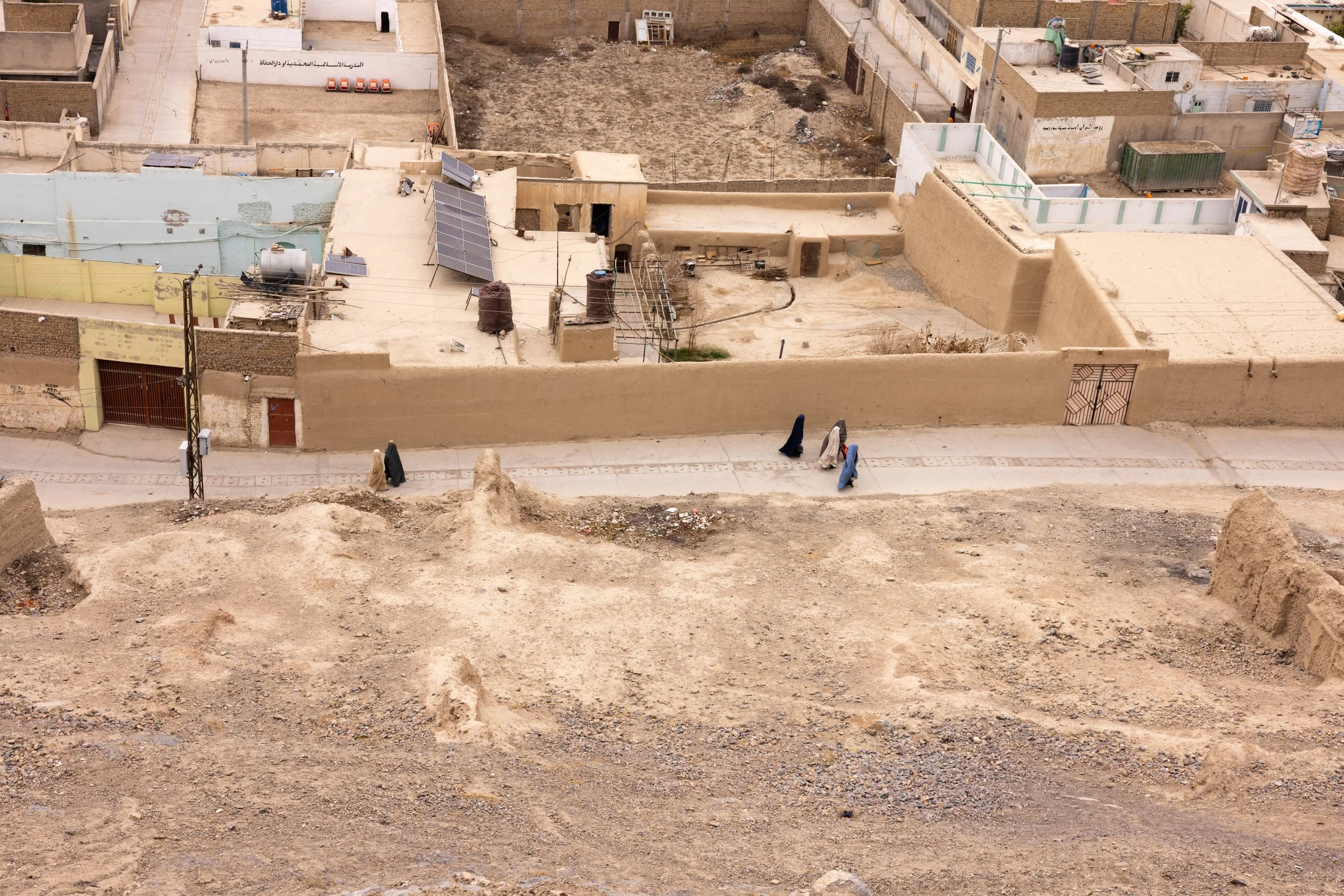
Women walking in a neighbourhood in Kandahar, the capital of the Taliban. February 25 2024.
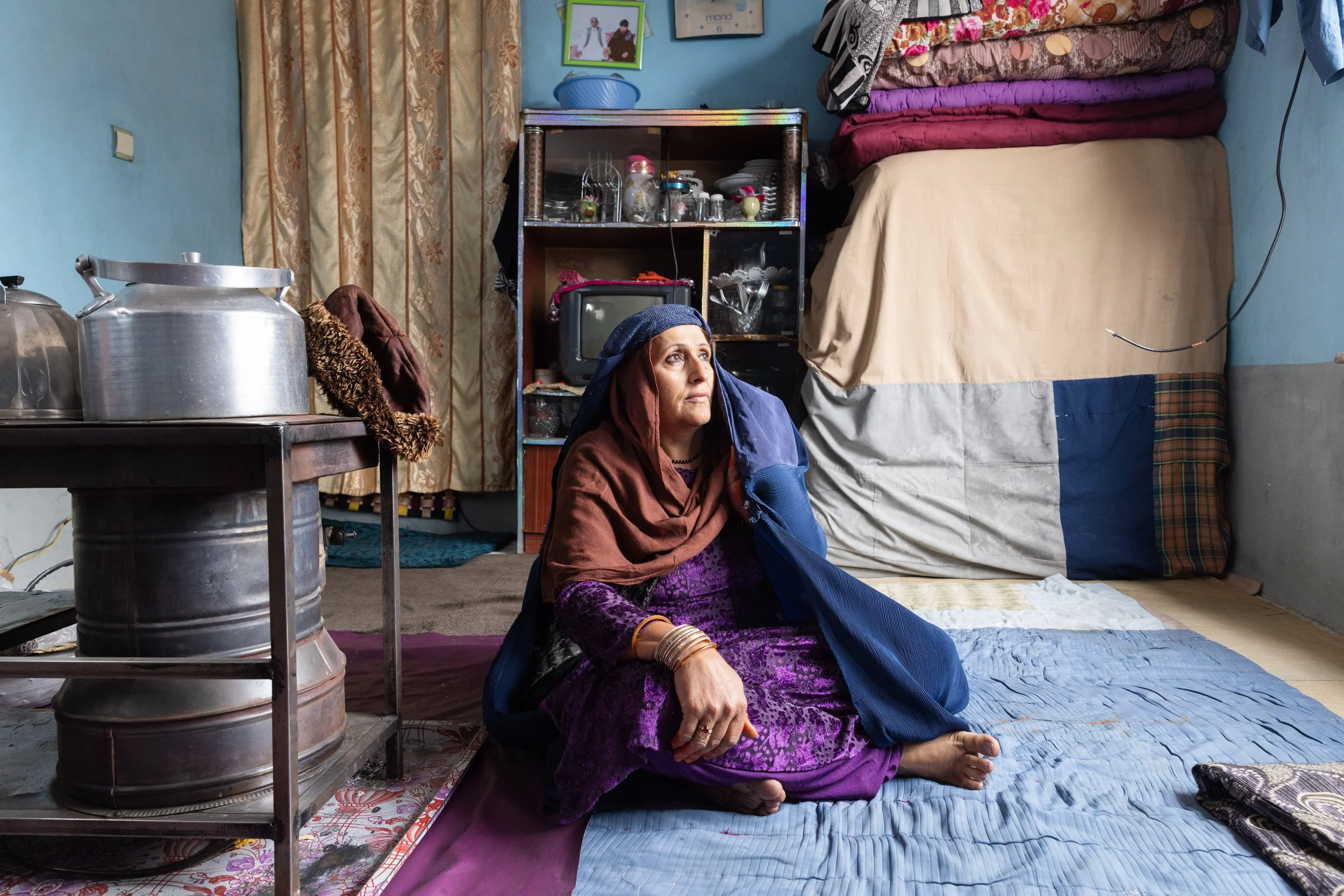
‘My husband wants me to wear the burka when I go outside. When I first wore the burka, my eyes hurt and it was difficult to breathe. Now I am used to it. I think everyone should choose for themselves what to wear. A hijab, a burka, it should be a choice.’ Kabul, Afghanistan, 13 March 2024.
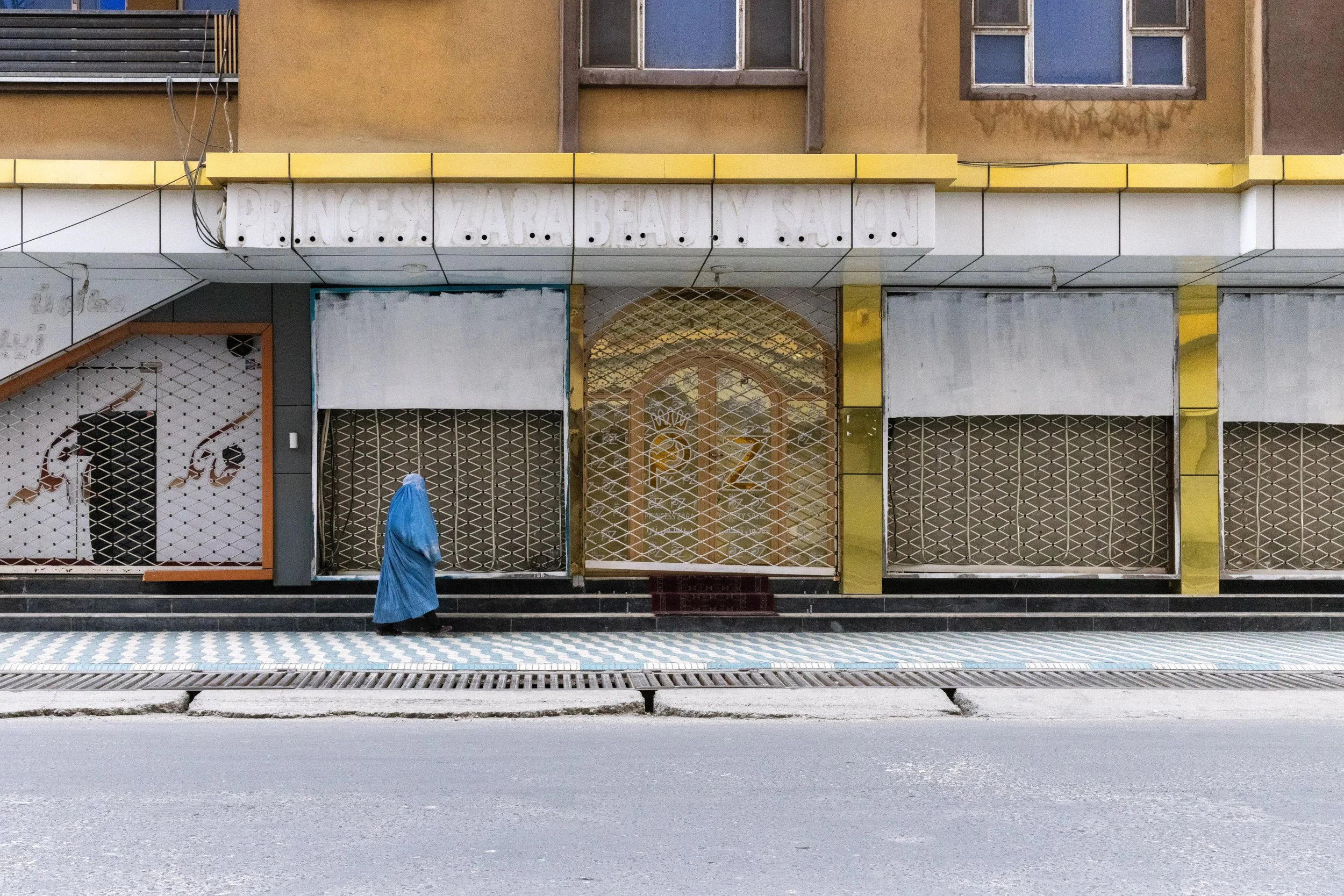
This was a street full of women's beauty salons. Now a woman in a burka walks past beauty salon ‘Princess Zara’. The letters have been removed and the doors closed. On 25 July 2023, beauty salons are banned by the Taliban. March 11 2024.
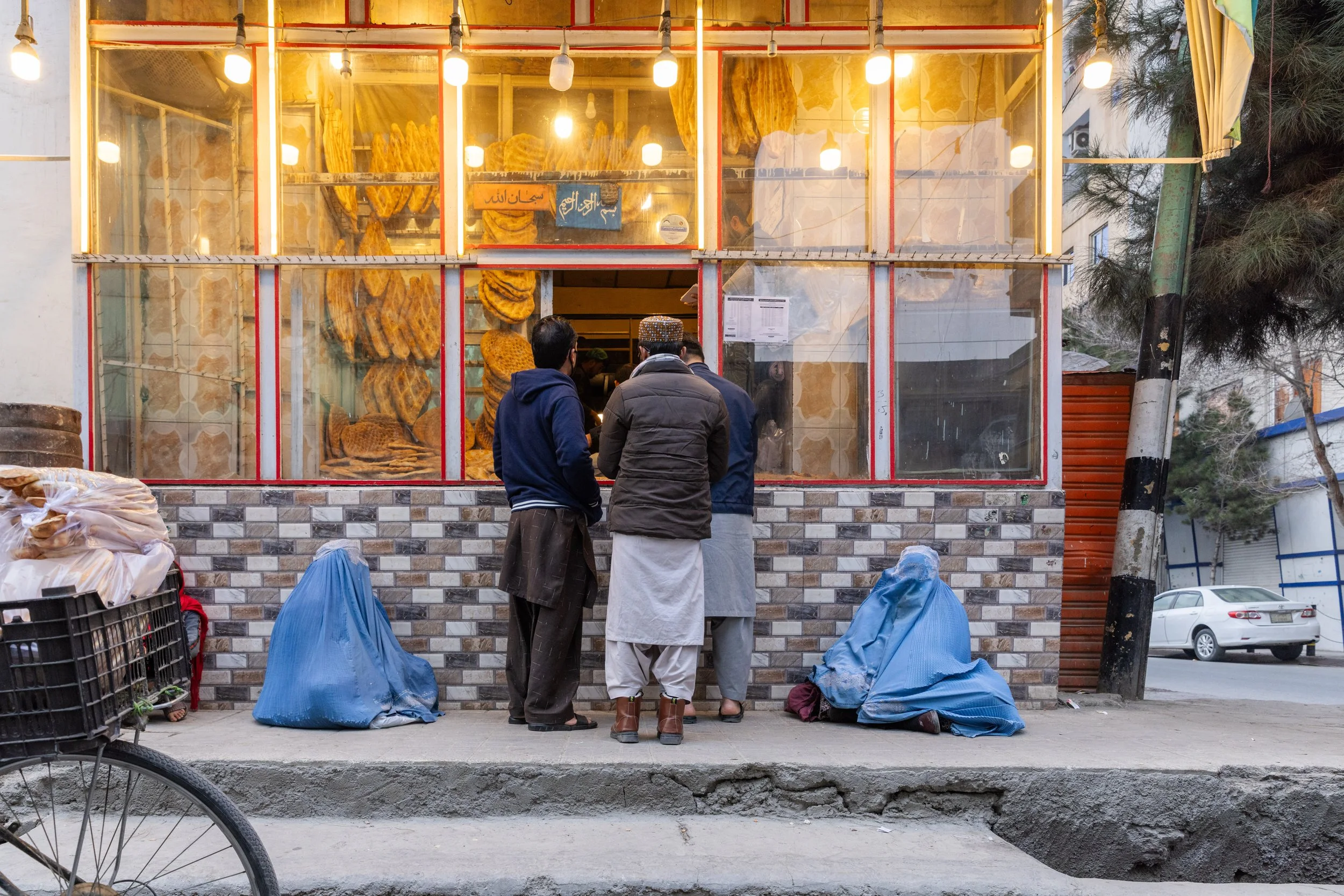
Afghan women begging for bread at a bakery shop. Afghan women are not allowed to work anymore by the Taliban. Kabul, 11 March 2024.
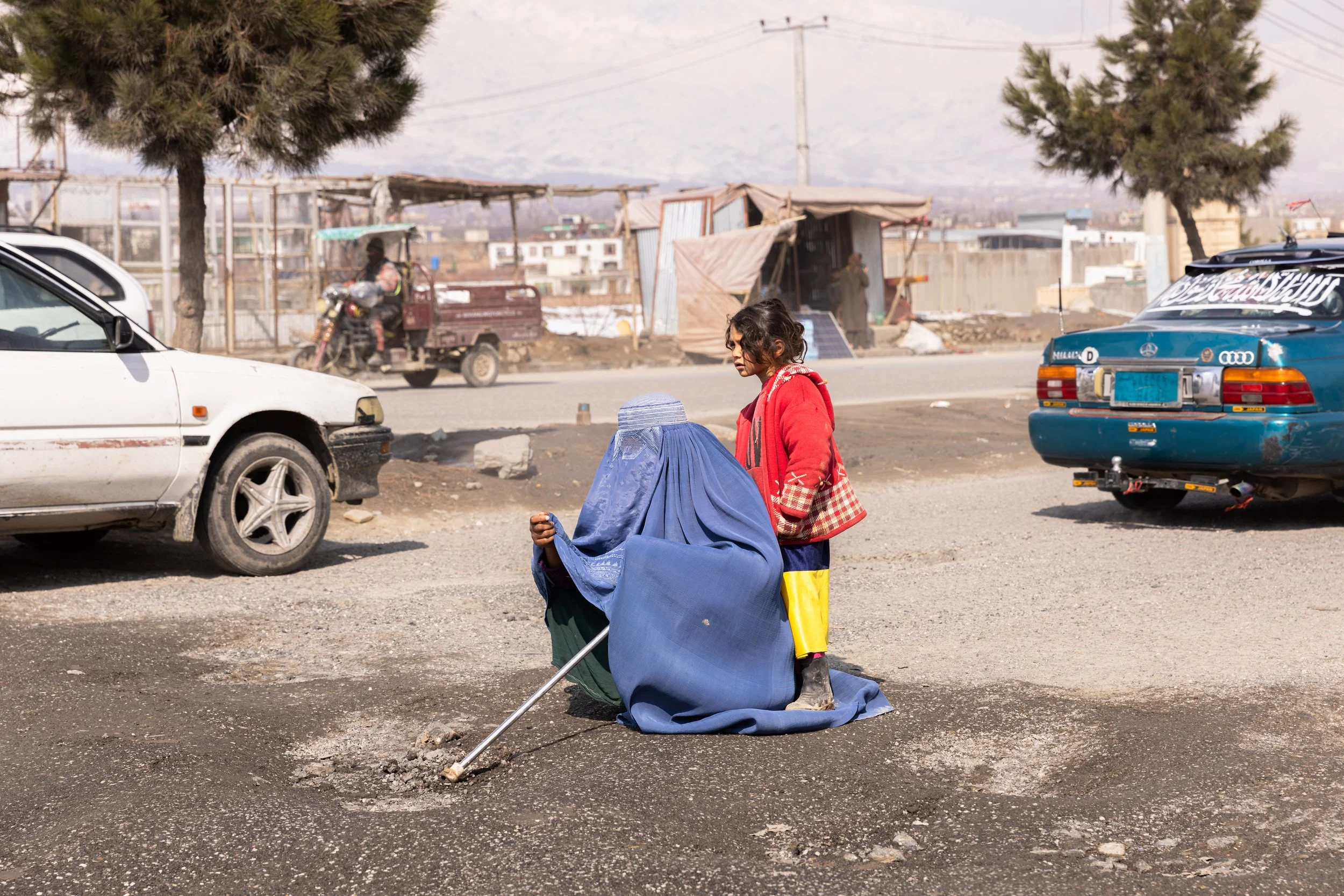
Many women and children are begging in Afghanistan. A lot of women sit in the middle of the road. In all conditions: in heat, in mud, in snow. Afghanistan, March 4 2024.
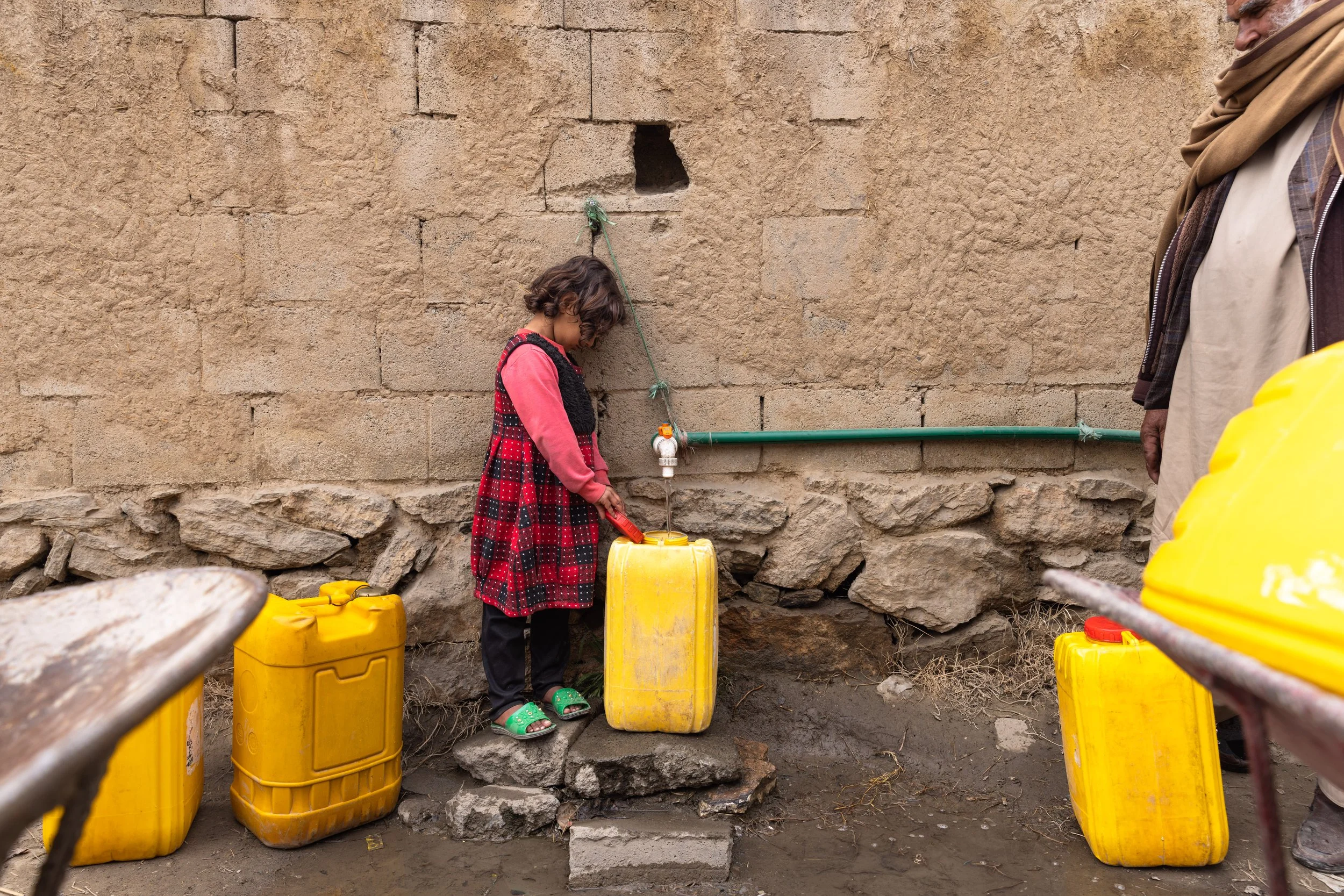
A young girl collecting water to bring home. Kabul, March 11 2024.
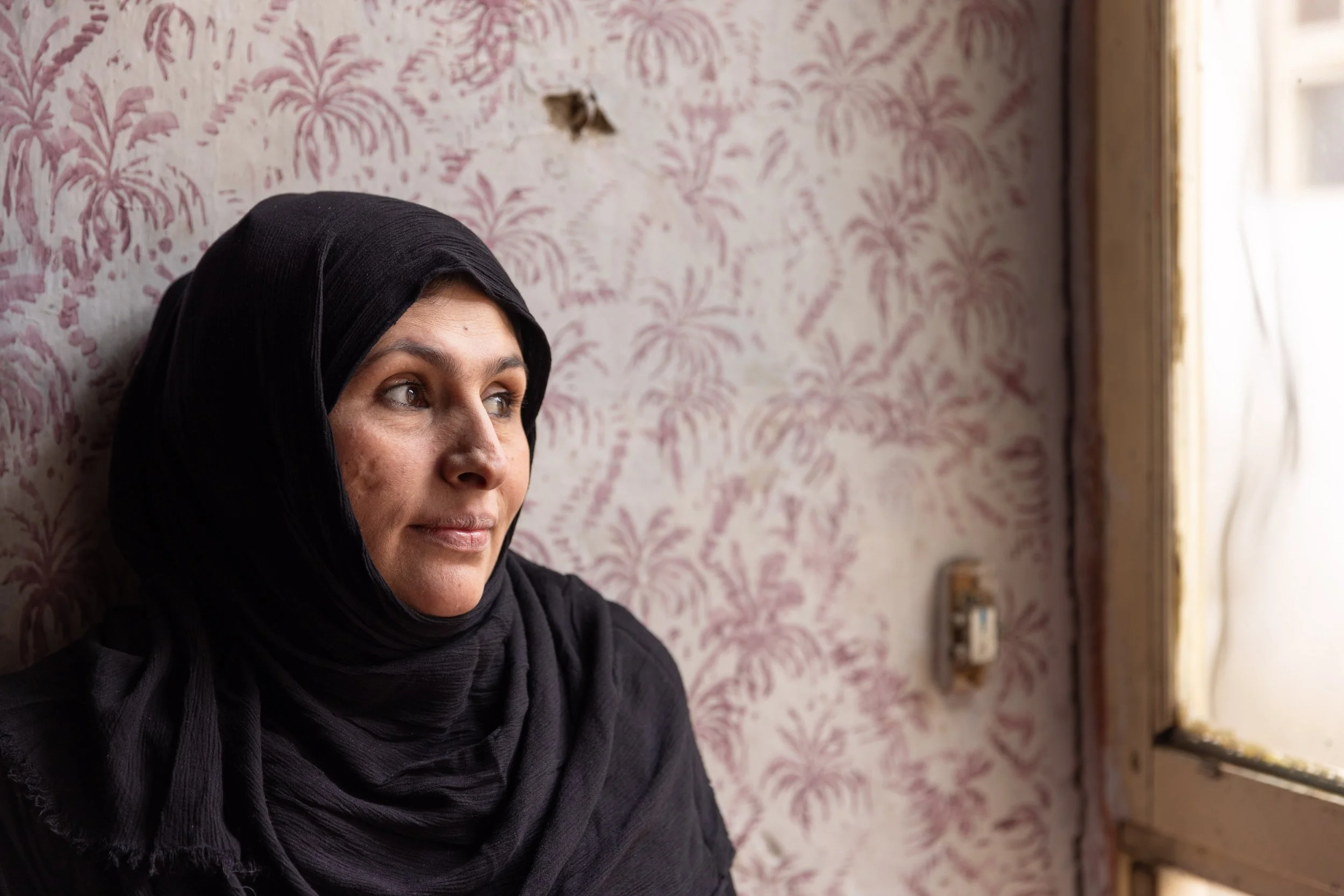
"Before the Taliban came to power, everything was fine. Now we live in a house with 11 people. I can no longer work, my daughter can no longer go to school. My husband lost his job and now works as a taxi driver. We are always afraid when we go outside. We are so afraid of the Taliban. I hope that all Afghans will join forces, rebuild the country, and that we can live in peace." Kabul, Afghanistan, March 11, 2024.
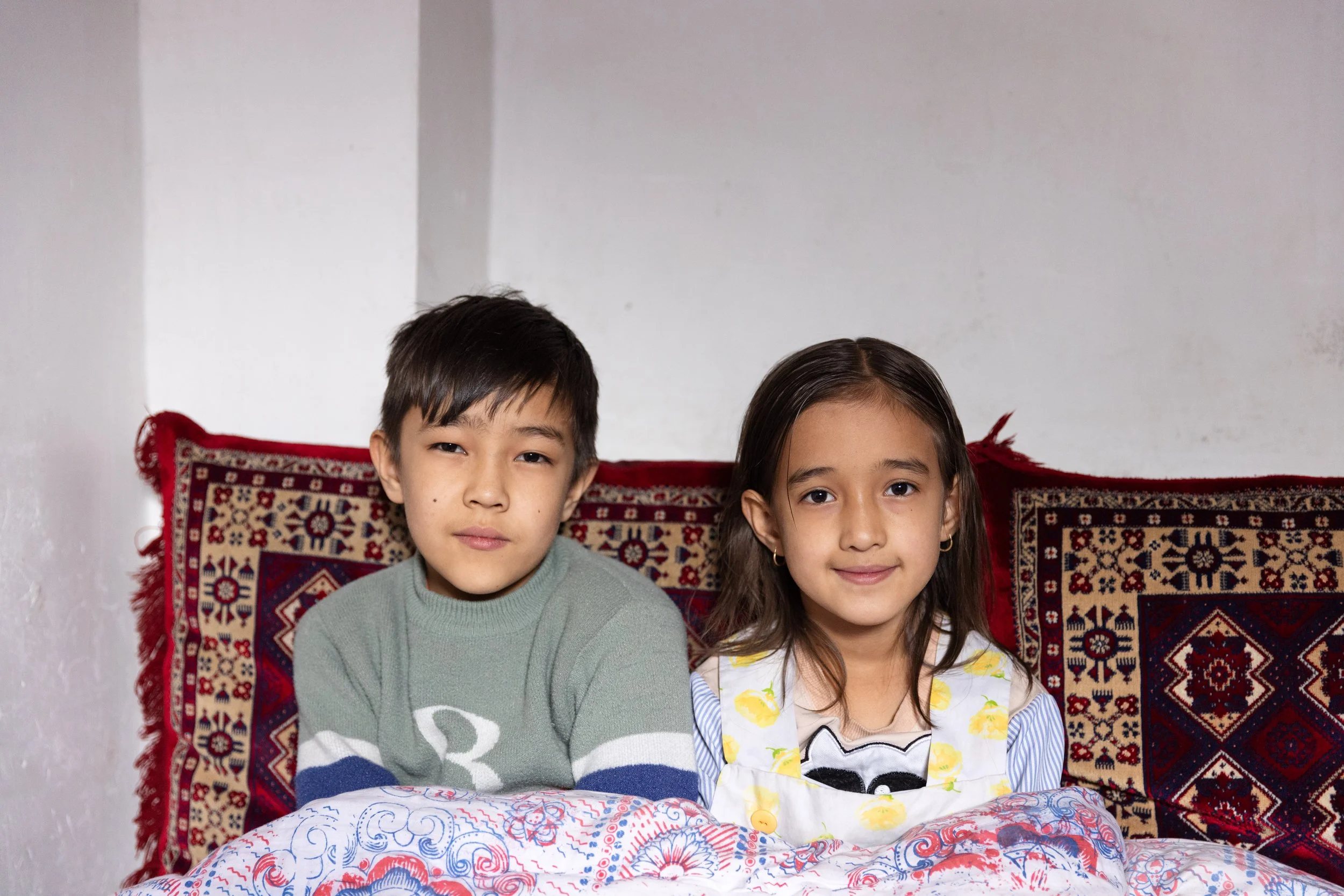
It is freezing cold in the room. There is no heating. Azada (their mother) worked in healthcare, but now her contract has been terminated by the Taliban. Her husband has been taken away by the Taliban and she does not know why. She is seven months pregnant and tries to survive every day. She cannot afford a doctor and is four months behind on her rent. She hopes her husband will be released, then she wants to leave Afghanistan immediately. The boy is nine years old, his favorite subject is Dari (the Afghan language), and he loves playing soccer outside. His sister is eight years old, her favorite subject is math, and she loves playinghide and seek. Afghanistan, March 13 2024.
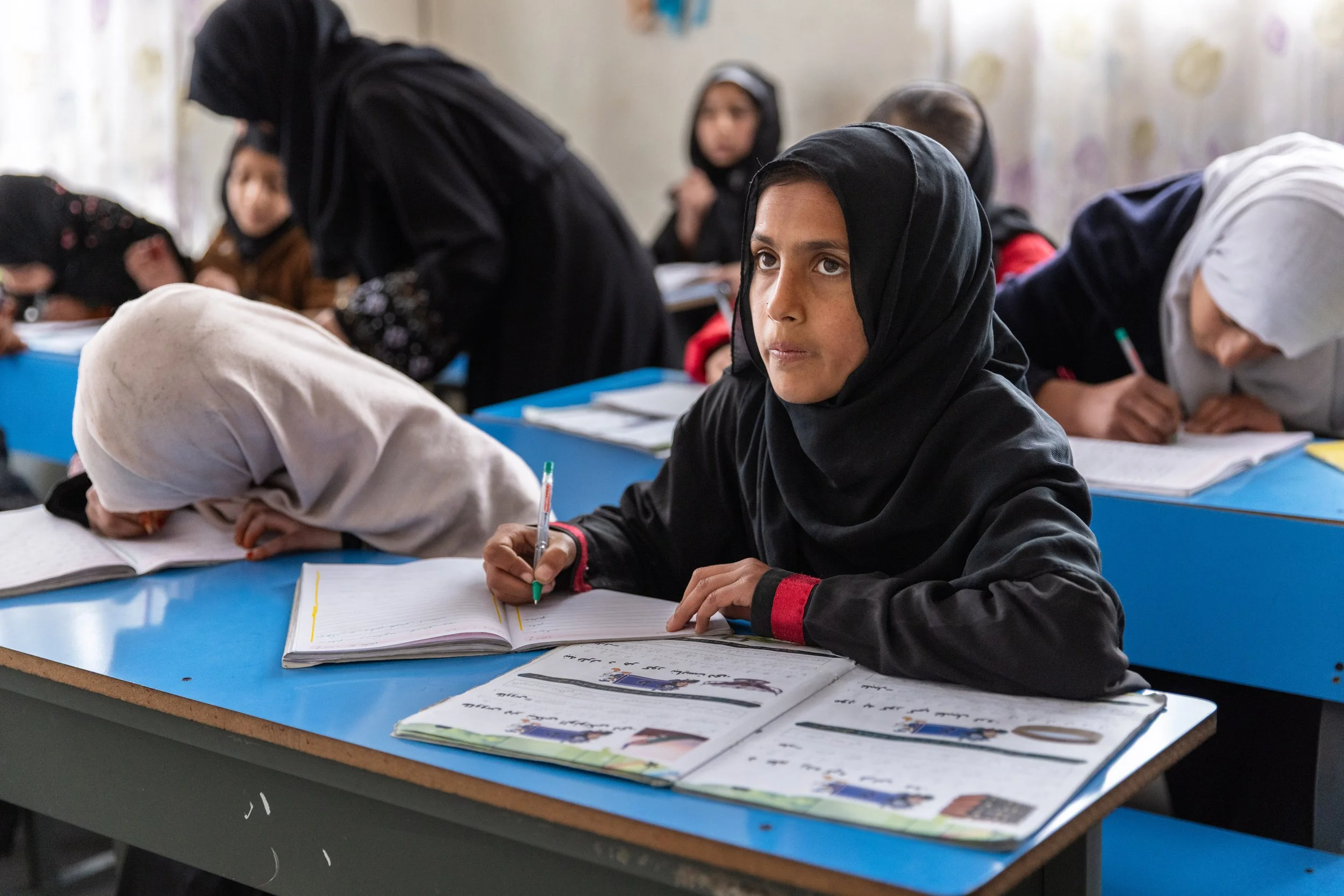
This is a school for children living on the streets. Many of these children have lost 1 or both parents. Khadija (25), opened this school 1 year ago. She is a role model for these girls. She has set up a business where Afghan girls and women make traditional clothes and carpets. The profits from this business set up this school. Their dreams of becoming teachers, engineers or doctors have come back to life. Kabul, March 13 2024.
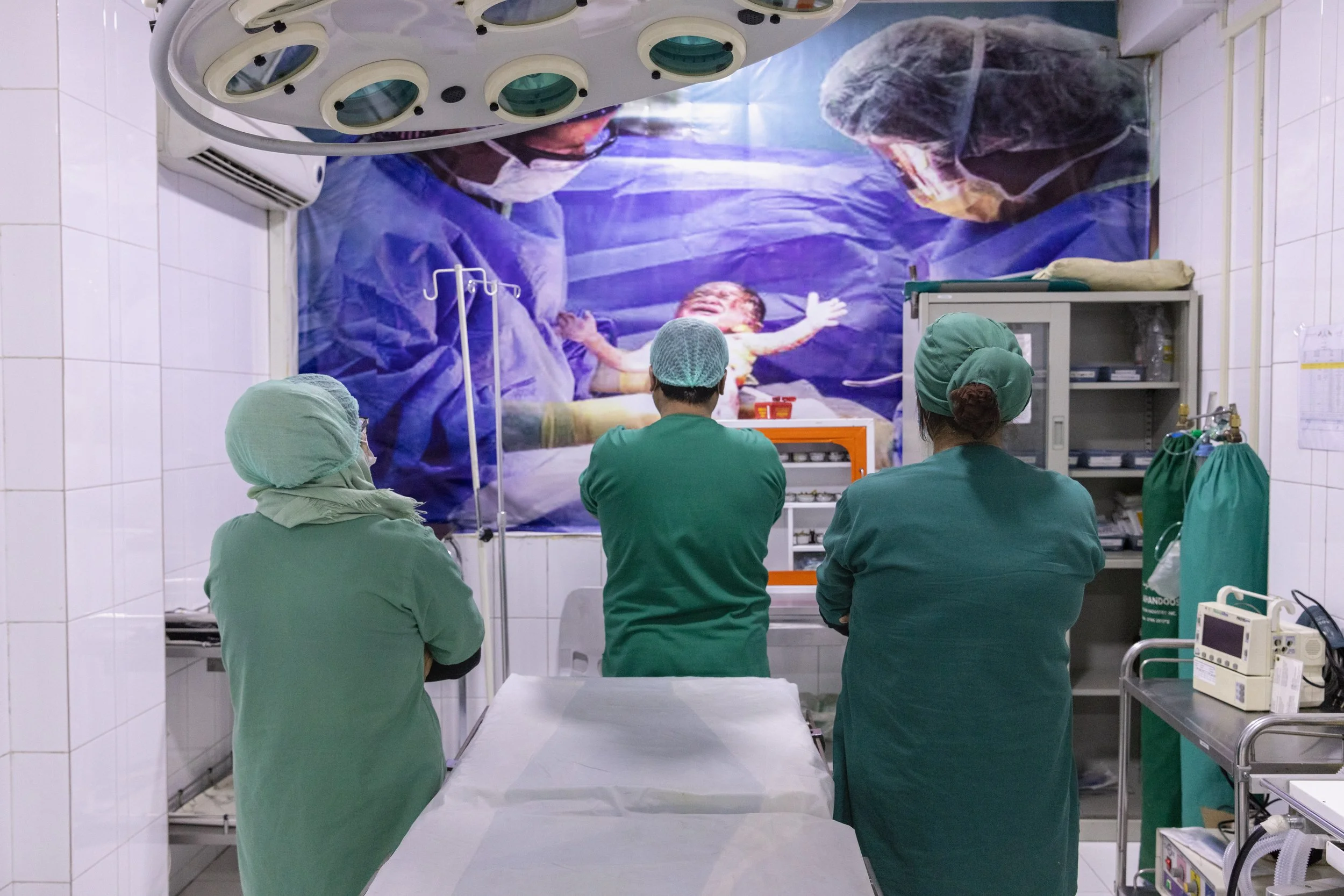
Three doctors inside an operating room in an Afghan hospital. For security reasons, their faces are not shown. Female gynaecologist: ‘In this situation, I am lucky to have a job. Many of my colleagues have left Afghanistan. The situation is very difficult. Girls and women who cannot go to school, who cannot work. The future looks very dark. We cannot leave the country now, but when we can, we go.’ Afghanistan, March 13 2024.
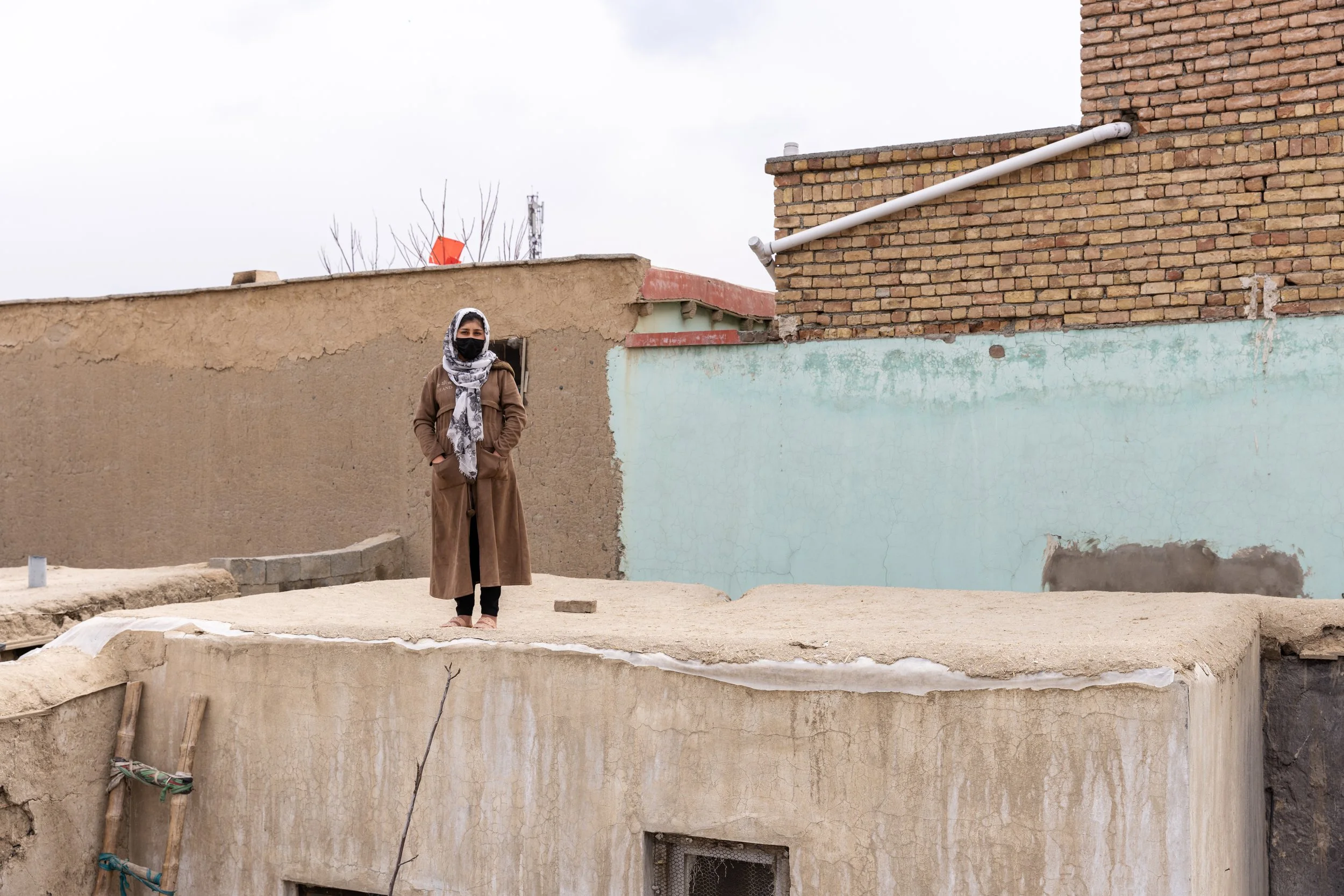
Farzana (18 years old): ‘I hope to become a doctor so that I can serve my country. I want there to be peace in my country so I can have a good life and work to have a nice house. I want justice in my country so we can develop and succeed. Now I cannot go to school and am sitting at home. We teach our siblings what we learnt in school and help in the household.I hope our country can live in peace and the Taliban will let us go to school.’ Kabul, Afghanistan, March 12, 2024.
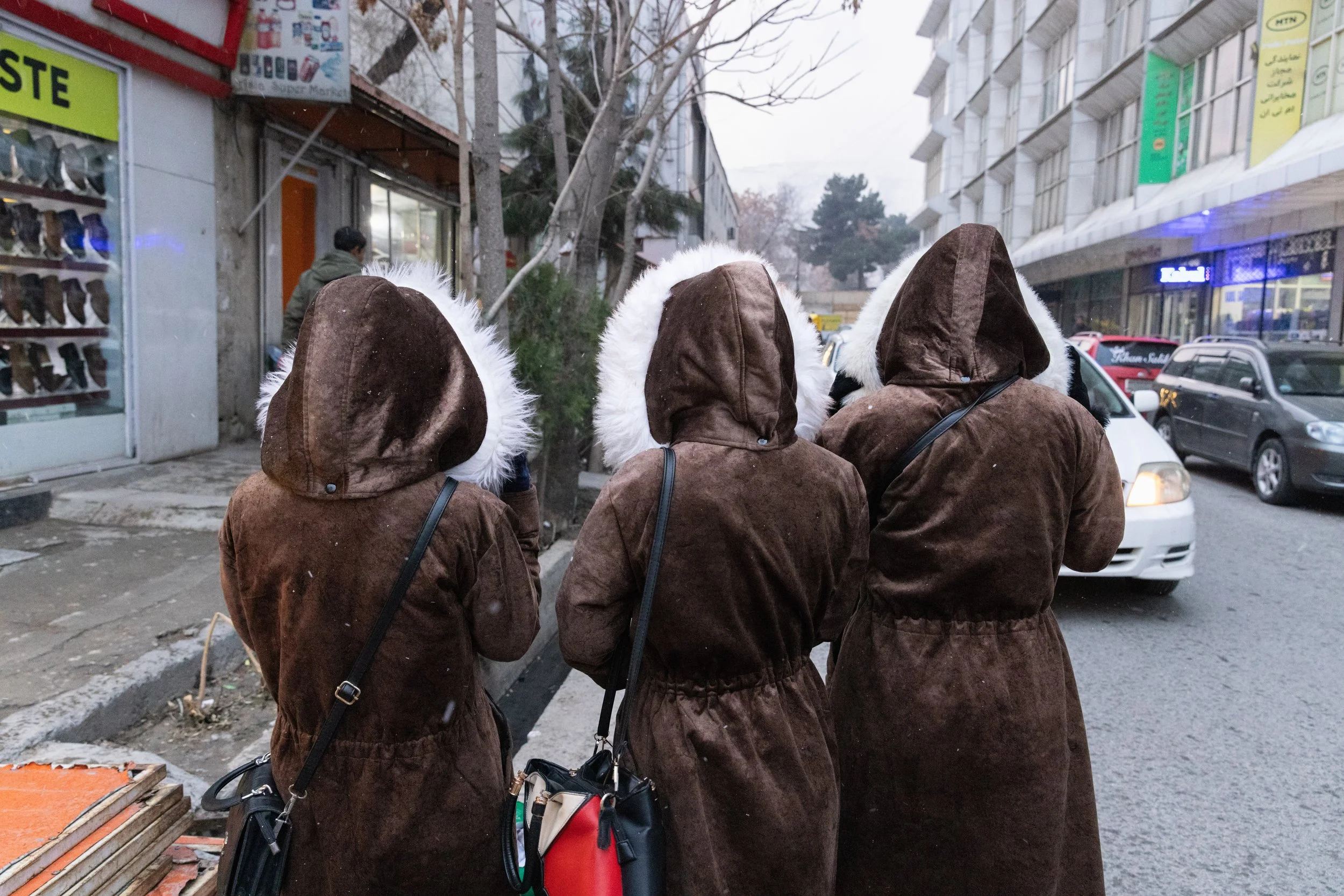
In Kabul, these three women walk down the street. No burka, no hijab. Modernly dressed, all in the same outfit. Women in Afghanistan are resilient. Kabul, March 2, 2024.